
Ever wonder if those vegetable cuttings could become a lush, green garden? As my family has learned over the past few years, growing food from scraps is totally doable. We're reducing our grocery bill and minimizing waste, and you can, too.
Estimated reading time: 15 minutes
Growing food from scraps is simpler than you might think. You don't need a huge backyard or years of gardening experience. Just start where you are, using what you have-kitchen scraps. All you do need is a bit of know-how, a willingness to experiment and the courage to try new things.
Growing Vegetables from Kitchen Scraps
You might be surprised by how many veggies you can regrow from leftover bits and pieces. From leafy greens to root vegetables, we've found plenty of scraps that will sprout again with a little TLC.
Although it's often said that you can't regrow commercially grown vegetables from typical supermarkets, I've had a lot of luck doing just that. So if buying heirloom seeds is outside your budget, try growing from your vegetable scraps instead.
Why you should grow vegetables from scraps
Regrowing food from scraps is a great way to reduce food waste. It's estimated that 30-40% of the US food supply ends up as waste. Yet many of those veggie scraps still have plenty of life left in them.
Plus, it's an excellent way to save money on groceries and become a little more self-sufficient. You can grow your own continuous supply of fresh greens and veggies, even if you have little space.
Regrowing Leafy Greens
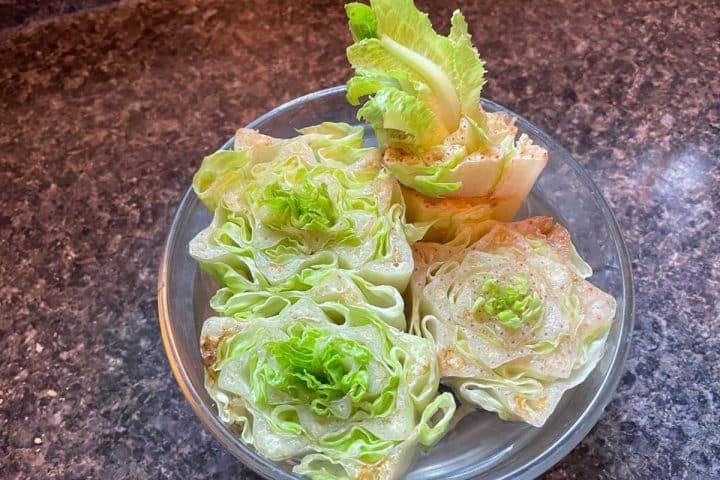
Many leafy greens will regrow from their bases or stems. Just place the stem end in a shallow water dish, put it in a sunny spot, and watch it sprout. Some of the easiest greens to regrow include:
- Romaine lettuce
- Bok choy
- Celery
- Cabbage
- Kale
Growing kale from scraps
Kale is a powerhouse green that's easy to regrow. Just cut the leaves off, leaving about 1 inch of stem at the base. Place the stem in a jar with 1-2 inches of water.
Put the jar in a sunny spot and change the water every couple of days. In about a week, new roots and leaves will start to grow.
Once you have a few inches of growth, you can plant your kale in a pot or backyard garden. And if you're looking for a new kale recipe, check out this Chicken Kale Salad with Cranberries and Apples.
Growing romaine lettuce from scraps
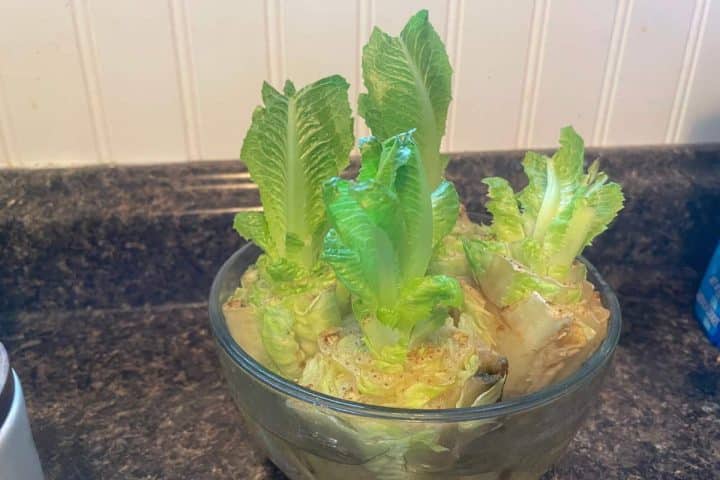
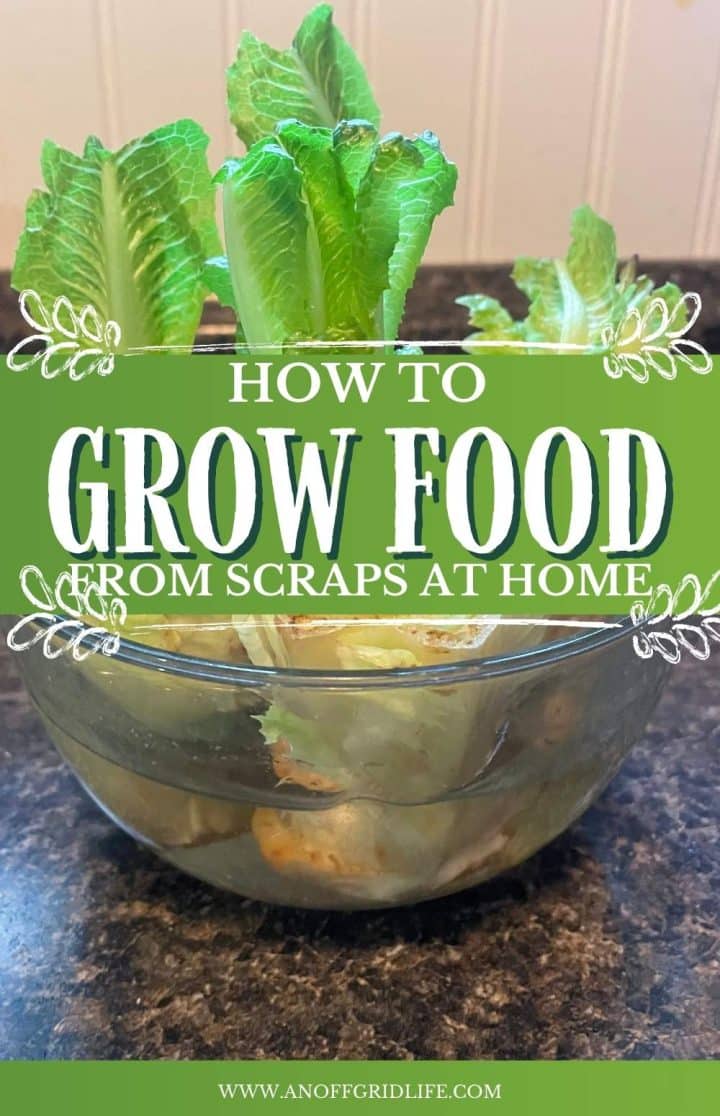
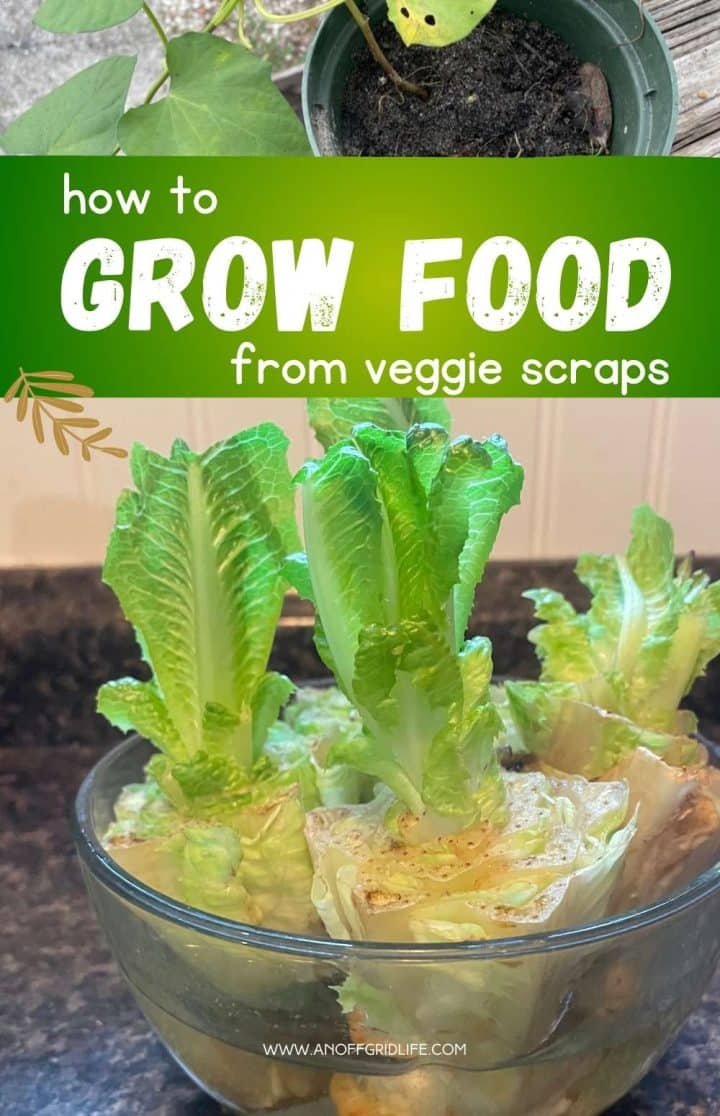
Romaine lettuce is one of the simplest veggies to regrow. Just cut off the bottom inch from a head of romaine and place it in a bowl with about ½ inch of water.
Keep the bowl in a sunny spot, like a south-facing windowsill. Refresh the water every day or two.
In about 10-12 days, you'll have a fresh bunch of romaine leaves to harvest. At this point, you can let them continue regrowing or plant them in soil.
And if you want a new recipe that makes use of that romaine lettuce, try these Lettuce Wraps with Peanut Sauce.
Regrowing Alliums
Green onions, leeks, and other alliums are among the easiest veggies to regrow. To do so, place the white root ends in a jar with enough water to cover the roots.
Place the jar in a sunny window and change the water every few days. You'll have fresh green shoots to snip off in no time. Once they're a few inches tall, you can plant them in soil if you'd like.
Growing red onions from scraps
You can also regrow full-sized onions from scraps - it just takes a bit longer. Cut off the root end of an onion, leaving about an inch of onion attached. Let the piece dry out overnight for a few hours until it forms a dry callus.
Then plant it in a pot of soil with the root end down and the top poking above the soil. Place it in a sunny spot, and keep the soil moist.
In a few weeks, you'll see new green shoots emerge. And in a few months, you'll have a whole new onion bulb to harvest.
Sprout green onions in water
Green onions are the easiest food scrap to regrow and one of the easiest vegetables to grow with kids. You can even do it in a glass of water on your windowsill.
Just take the white part with the little roots. Place them root-end down in a glass with about an inch of water.
Place the glass in a sunny spot and change the water every few days. The green tops will regrow in a few days, and you can snip off what you need. They'll continue to regrow for weeks or even months this way.
Regrowing Root Vegetables
Many root veggies can regrow their green tops, and some can even regrow new roots. Beets, turnips, parsnips and carrots can all regrow their leafy tops, which are edible and great in salads.
Cut off the top 1-2 inches of the root, including the stem and leaves, to regrow the tops. Place them cut-side down in a shallow dish with about a half-inch of water. New greens will sprout in a few days.
Growing carrots from kitchen scraps
A carrot top won't regrow a whole new carrot, but you can regrow the leafy greens. Just cut off the top inch of a carrot, including a bit of the stem.
Place the carrot top cut-side down in a dish with an inch of water. Put it in a sunny spot and refresh the water daily. The greens will sprout in just a few days and can be harvested and used like parsley or other herbs.
Growing potatoes from scraps
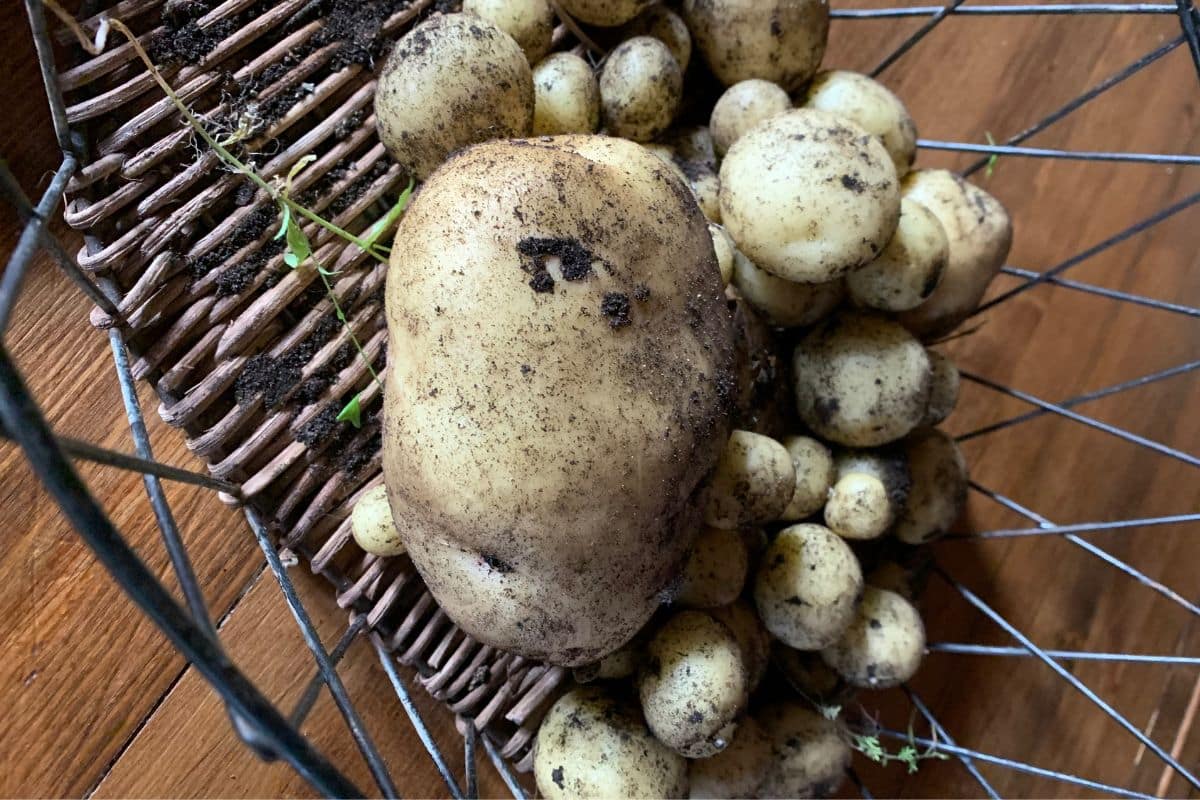
As we learned when potatoes started growing like crazy in our compost heap, growing them from scraps is super simple.
Potatoes with "eyes" or sprouts can regrow into new potato plants. Just cut the potato into 2-inch chunks, making sure each piece has at least 1-2 sprouts.
Let the pieces dry overnight, then plant them about 4 inches deep in the soil. In a few weeks, green shoots will emerge.
Mound more soil around the stem as it grows, and in a few months, you can harvest a crop of homegrown potatoes.
Tips for Successfully Growing Food from Scraps
Regrowing veggies from scraps is a fun, easy project, especially if you're a homesteading and homeschooling family. However, there are a few things to keep in mind for the best results:
- Use fresh, healthy scraps that aren't wilted, dried out, or moldy
- Place scraps in a clean jar or dish with fresh, room-temperature water
- Keep your scraps in a warm, sunny spot that gets at least 4-6 hours of direct sunlight per day
- Change the water every 1-2 days to keep it fresh and prevent mold or bacteria growth
- Once roots and leaves appear, plant in a container with a well-draining potting mix
- Keep the soil moist but not soggy, and fertilize every few weeks with a balanced, water-soluble fertilizer
- Harvest regularly to encourage continued growth and production
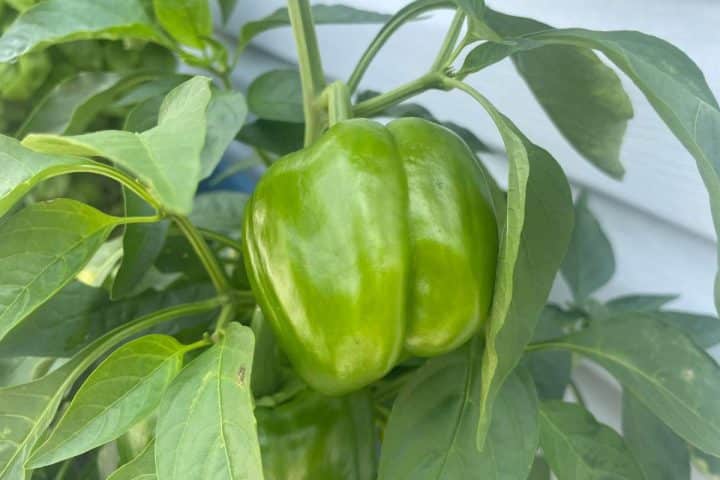
Growing food from scraps is inexpensive, easy, and fun. Start by trying to regrow lettuce, then move on to peppers, tomatoes, potatoes, and even beans.
Over the years, we've grown many of these vegetables ourselves indoors and out. Remember, no matter how small the effort seems, you're taking steps toward becoming more self-reliant.
How to Grow Food From Scraps FAQs
You have questions. We have answers. If you don't see your question here, please leave it below in the comments.
Can I add food scraps directly to my garden?
No, you should compost them if you aren't going to use them to grow vegetables. Directly adding food scraps can attract pests and diseases.
What are the easiest vegetables to grow from scraps?
Green onions, lettuce, and potatoes are at the top of the easy-grow list from kitchen leftovers.
How do you make plant food from kitchen scraps?
You can create a nutrient-rich liquid by soaking banana peels or eggshells in water for a few days. For more information, see our post on homemade fertilizer and natural plant food for more information.
Like this post? Save it, share it, and read it!

I have tried this so many times and I just can't get it to work. I don't know what I'm doing wrong. I'd love to have lettuce.